
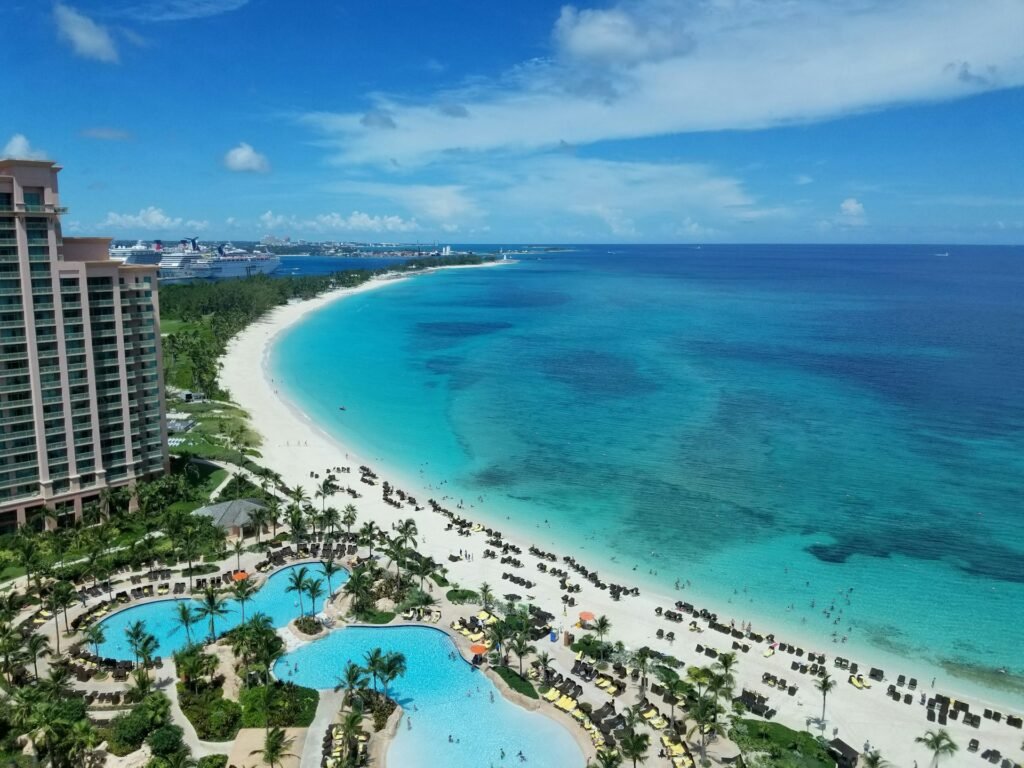
Most people assume the Bahamas is best visited in winter, when the weather back home is gray and cold. But summer in the Bahamas tells a different story — one with warm turquoise water, fewer crowds, lower prices, and a lively local culture that really comes alive between June and August. If you’ve been on the fence about a summer trip, here’s what you should know before you book.
What the Weather Is Actually Like
Yes, it’s hot. Temperatures in summer typically hover between 85- and 90-degrees Fahrenheit, with humidity that makes the air feel thick by midday. But you’ll be near the water almost constantly, and a breeze off the ocean changes everything. Mornings tend to be beautiful, and afternoon showers, when they come, usually pass quickly. The Bahamas sits in the Atlantic hurricane belt, and the official season runs from June through November, but most storms don’t hit the islands directly. Keeping an eye on forecasts before and during your trip is smart, but it shouldn’t scare you off.
The Crowds (or Lack Thereof)
Summer is considered the off-season in the Bahamas, and that works heavily in your favor. Nassau and Paradise Island see a noticeable dip in tourist traffic compared to the winter rush. Beaches feel more open, restaurants are easier to get into, and the overall pace is more relaxed. If you’ve always wanted to see the famous pink-sand beaches of Harbour Island or the peaceful cays of the Exumas without battling crowds, summer is your window.
What It Costs
Off-season pricing is one of the best reasons to visit in summer. Hotels that charge peak rates from December through April often drop prices significantly in June, July, and August. Flights can also be more affordable, especially if you’re flexible with your travel dates. One of the most convenient jumping-off points for a Bahamas trip is Fort Lauderdale. The Fort Lauderdale to Bahamas route is short — often under an hour by air — and ferry options from Port Everglades make it easy to reach the islands without the stress of a long-haul journey. If you’re looking to cut down on travel time and cost, flying or sailing out of South Florida is a smart move.
Things to Do in Summer
The water is warm and incredibly clear in summer, making it ideal for snorkeling, diving, and swimming. The Exumas are especially stunning this time of year — the iconic swimming pigs, the nurse sharks at Compass Cay, and the dazzling sandbars are all accessible and far less picked over by tour groups. In Nassau, you can explore the markets, try conch salad fresh from the shell, and catch a Junkanoo event if your timing lines up. Summer is also a great time for deep-sea fishing, as warmer Atlantic waters bring mahi-mahi, wahoo, and blue marlin closer to the surface.
What to Pack
Light, breathable clothing is essential. Linen, cotton, and moisture-wicking fabrics will keep you comfortable throughout the day. A good reef-safe sunscreen is non-negotiable — the Bahamian sun is intense even on overcast days. A light rain jacket or packable umbrella is worth tossing in your bag for afternoon showers. Water shoes are handy if you’re island-hopping, and a dry bag is a smart investment for protecting your phone and camera on boat excursions.
Practical Tips Before You Go
Travel insurance is worth it during hurricane season. Look for policies that cover weather-related trip interruptions so you’re not left scrambling if a storm rolls through. Most resorts offer flexible rebooking policies in summer for exactly this reason, so ask before you finalize anything. Currency is straightforward — the Bahamian dollar is pegged one-to-one with the US dollar, so there’s no conversion math to worry about. English is the official language, and American credit cards are widely accepted across Nassau, Freeport, and the more developed islands.
Is Summer Worth It?
For the right traveler, summer in the Bahamas is actually the best time to go. The water is warm, the islands are quieter, and your money goes further. You’re not fighting for a beach chair or waiting an hour for a table at dinner. The experience feels more laid-back, more genuine, and honestly more like what most people picture when they dream about the islands. If you can handle a little heat and don’t mind the occasional afternoon rain, you’ll find a destination that feels more authentic and unhurried than what most visitors experience during peak season. Pack light, stay flexible, and let the islands do the rest.
